
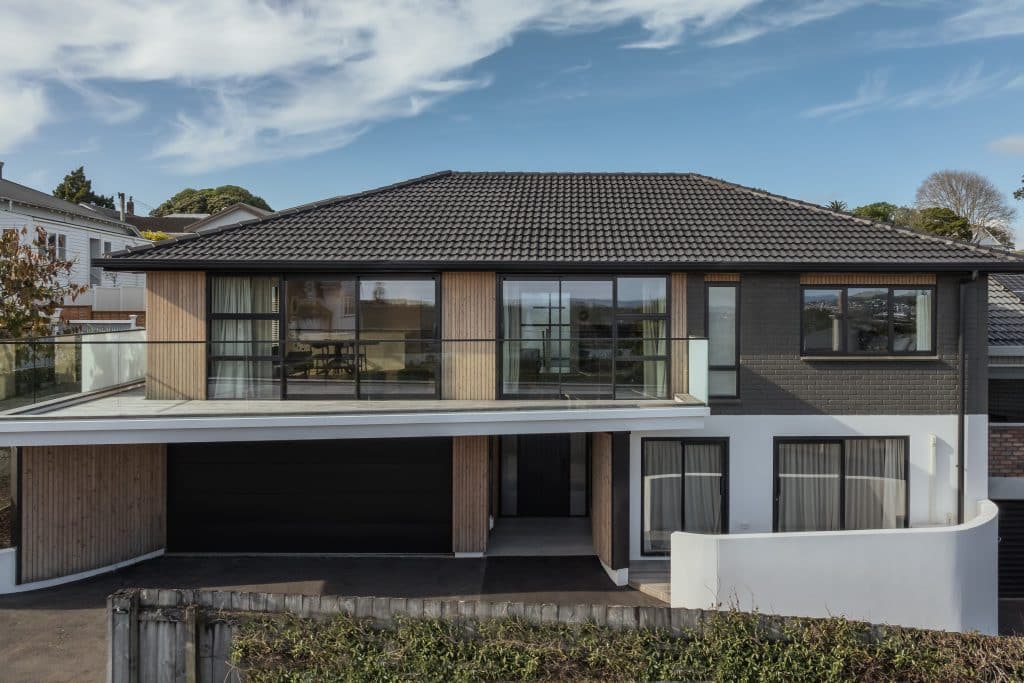
“If my house burned down tomorrow, would my insurance really cover rebuilding it exactly as it is now? Why do I keep hearing about people who thought they were covered but ended up paying hundreds of thousands out of pocket?”
Your sum insured needs to reflect the cost of rebuilding your home, not its sale price. An outdated figure or a missed feature can leave a gap. The size of that gap depends on your property and policy; it cannot be established from an Auckland-wide percentage.
Construction costs, changes to your home and the terms of your policy can affect the cover you need. Review these together rather than assuming an automatic increase keeps your sum insured up to date.
Do I Need Renovation Insurance for My Auckland Home?
If you are renovating, "renovation insurance" usually comes down to two checks. First, tell your home insurer about the work so your sum insured and policy still match the home. Second, confirm the building work itself is insured while it is under way. Ask your insurer and your builder who is arranging cover for the work in progress, and update your sum insured as soon as the renovation is finished.
⚠️ This guide covers insurance gaps for new builds—for a complete overview of the entire building process, see our Ultimate New Build Guide.
What Factors Create the Biggest Insurance Gaps for Auckland Custom Homes in 2026?
Changes to the property, rebuilding costs and policy limits can affect your cover. A useful review starts with your actual home and current policy, including features that make rebuilding more complex.
| Review area | What to consider |
|---|---|
| Building and finishes | Size, materials and special features |
| Site | Access, demolition and debris removal |
| Professional work | Design, consent and other rebuilding fees |
| Policy | Sum insured, limits and exclusions |
Review the sum insured when your policy renews and when the home changes. The figure needs to reflect the rebuilding work, not simply the age of an earlier estimate.
A useful rebuild estimate needs to account for the home’s features and the costs associated with rebuilding. Compare that basis with the policy rather than assuming every expense is covered.
A bespoke home can require more detailed information than a simple floor-area estimate provides. Complex features may justify a replacement valuation from a qualified professional.

How Much Does it Actually Cost to Rebuild an Auckland Home in 2026?
There is no single square-metre rate that establishes your home’s rebuild cost. The building, site and finishes affect the work, alongside demolition, professional fees and other associated costs. Use a property-specific basis for your sum insured.
| Information | Why it matters |
|---|---|
| Floor area and layout | Establish the building being assessed |
| Materials and features | Identify the specification to rebuild |
| Site and access | Identify practical rebuilding work |
| Associated costs | Include relevant fees, demolition and debris removal |
Access, slope and the work required on the actual site can affect rebuilding costs. A suburb-wide premium is not a substitute for considering the property.
Market value, purchase price and rateable value are not measures of the cost to rebuild your house.
An insurer’s rebuild calculator can provide a starting point. For a complex custom home, a valuer or quantity surveyor may be needed to assess its particular features.
The Insurance Council of New Zealand’s insurance health check explains the importance of reviewing cover as circumstances change.
For an accurate understanding of current building costs, visit our detailed guide on Auckland new build costs.
What's Included in Most Auckland Home Insurance Policies—And What Isn't?
Cover depends on your policy wording and schedule. Review the sum insured, benefits, exclusions and sublimits rather than assuming all policies treat rebuilding costs in the same way.
| Policy area | What to review |
|---|---|
| Building | The insured home, features and sum insured |
| Demolition and debris | How these costs are treated |
| Professional fees | Which rebuilding fees are included |
| Other benefits | Limits, exclusions and conditions in your policy |
Read the policy together with its schedule. A general description of “replacement” cover does not replace the terms applying to your home.
Areas to review in your policy include:
- Full architectural restoration (beyond basic structure)
- Premium materials (stone countertops, custom cabinetry)
- Smart home systems and integrated technology
- Higher-end finishes (designer fixtures, premium flooring)
- Specialty features (wine cellars, home theatres, spa rooms)
- Full landscaping restoration
- Extended temporary accommodation costs
The rebuild estimate and the policy need to address the work and requirements applying to the property. Do not assume a standard allowance covers every design or compliance cost.
Demolition and debris removal need to be considered in rebuilding costs. The work and policy treatment depend on the property and your cover, not a standard Auckland allowance.
WANT AN INSTANT ONLINE ESTIMATE?
Should I Trust My Insurance Company's Rebuild Calculator or Get a Builder's Estimate?
A calculator can help establish a starting estimate. For a bespoke or high-specification home, a qualified professional can assess the property in more detail. Neither method, by itself, determines what the policy covers.
Use accurate property information when completing a rebuild calculator. Special features and site details matter to the result.
Information relevant to a property-specific estimate includes:
- Actual current material costs (not national averages)
- Local labour rates and availability challenges
- Site-specific challenges (slope, access, soil conditions)
- True quality level of existing finishes and fixtures
- Detailed breakdown of architectural features
- Accurate measurements and hidden elements
- Council-specific building requirements
- Specific home systems and their replacement costs
Details to include when reviewing a calculator result:
- Regional cost variations within Auckland
- Premium material specifications
- Custom architectural elements
- Integrated technology systems
- Site access difficulties
- True complexity of your home’s design
- Demolition/site preparation challenges
- Current building code upgrade requirements
A professional rebuild assessment considers the property and its features. Establish the scope of the assessment with the professional, and discuss the insurance implications with your insurer.
The fee for an assessment depends on the property and the service commissioned. Obtain the scope and fee from the professional rather than relying on a standard figure.
How to Check if Your Auckland Home is Properly Insured (Step-by-Step Guide)
- 1Read the current policy and schedule
Identify the sum insured and relevant limits or exclusions. - 2Review the property information
Include the home’s size, materials, special features and changes since the last assessment. - 3Consider the full rebuilding work
Include demolition, debris removal and professional fees where relevant. - 4Choose an appropriate estimate basis
Use the insurer’s calculator or obtain professional help for a complex property. - 5Discuss the result with your insurer
Review how the proposed sum insured and policy apply to your home.
Review your sum insured at renewal and after changes to your home. A qualified professional can advise on the scope of any replacement valuation you commission.
The aim is to compare your cover with a property-specific rebuilding estimate and identify any differences that need discussion with your insurer.
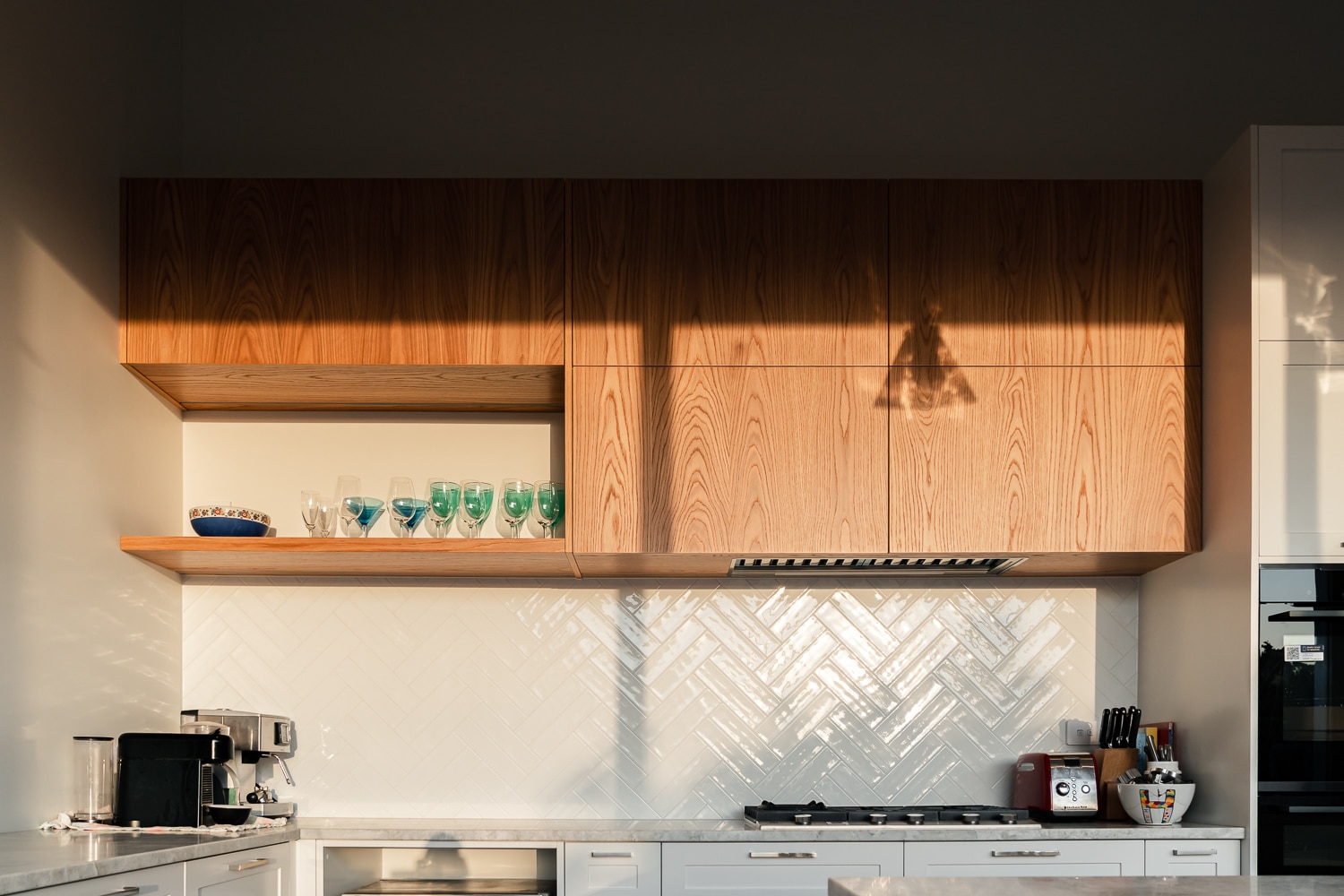
Five Areas to Review in Your Home Insurance
- Rebuild value
- Review the rebuilding estimate at renewal and after changes to the home.
- Architectural features
- Include relevant architectural features and finishes in the property information.
- Demolition and site clearing
- Consider demolition and debris-removal costs, and how the policy treats them.
- Temporary accommodation
- Read the limits and conditions for temporary accommodation.
- Building requirements and fees
- Review how the policy treats the requirements and fees associated with rebuilding.
The cost of changing cover depends on the insurer, property and policy. Request a property-specific quote rather than assuming an annual premium or potential saving.
Review the rebuilding estimate and policy together. Your insurer or adviser can explain the limits and conditions that apply.
FAQs on Custom Home Warranties Insurance in Auckland
What's the difference between sum insured and total replacement policies?
A sum-insured policy has an agreed dollar limit. Replacement-cover policies use their own terms and conditions. The policy and schedule determine how a claim would be assessed; the label alone does not establish unlimited cover.
How often should I update my insurance valuation?
Review your sum insured when the policy renews and after changes to the property. Use current information about the home and its rebuilding requirements.
Does my policy cover architectural features and premium materials?
It depends on the policy and the information used for the sum insured. Include architectural features and finishes in the estimate, and review the policy’s limits and exclusions with your insurer.
Will my policy cover increased building costs during a claim?
Any allowance for cost increases depends on the policy. Read the relevant limits, conditions and settlement terms rather than assuming a standard percentage buffer.
How do I know if my policy covers building code changes?
Read the policy wording and schedule, including how rebuilding fees and compliance requirements are treated. Your insurer or adviser can explain the cover and any limits applying to your home.
Planning a Build with JRA Construction
We build custom homes and carry out renovations and extensions across Auckland. Our construction quotation sets out pricing, clarifications and assumptions for the proposed work.
A construction quotation is not an insurance valuation or a promise about policy cover. For insurance purposes, use the estimate or valuation approach agreed with your insurer.
You can see examples of our building work in our project portfolio.
Key Actions To Protect Your Auckland Home Investment
- Review the sum insured against a current rebuild estimate.
- Include the home’s particular features and associated rebuilding costs.
- Read the policy’s limits, exclusions and conditions.
- Get professional valuation help where the property is complex.
- Review cover at renewal and after changes to the home.
For more guidance on the entire new build journey, explore our Ultimate New Build Guide.
Conclusion
A rebuild estimate and a policy answer different questions: what rebuilding may cost, and what the insurer has agreed to cover. Reviewing both is the basis for understanding potential gaps.
The cover available depends on the policy, its limits and the circumstances of a claim. Do not treat a valuation or a higher sum insured as a guarantee of every rebuilding outcome.
Keep property information current and discuss the cover with your insurer or adviser. Where appropriate, obtain a replacement valuation from a suitably qualified professional.
Planning construction work? Talk to JRA Construction about your build. For insurance cover and policy questions, speak with your insurer or adviser.